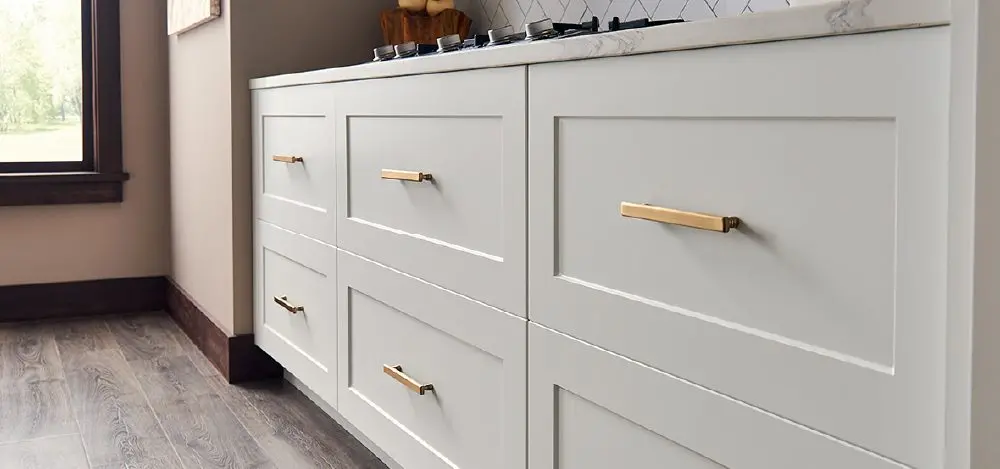
Quartz Countertops
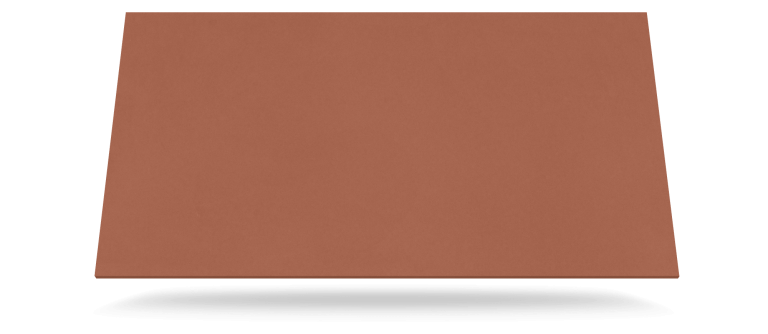
More than 600 colors available


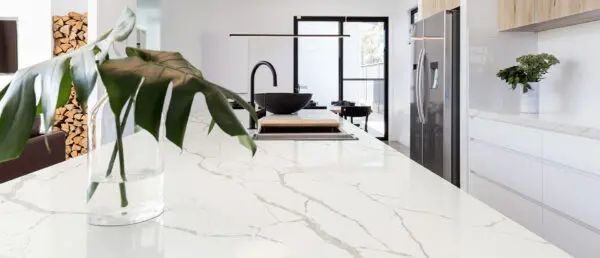
More than 600 colors available
Made from the richest minerals, Grifon quartz countertops are one of the most durable options for your kitchen.
Unlike other countertop materials, quartz countertops are not afraid of stains or scratches caused by kitchen utensils and sharp objects. This means they will maintain their smooth, flawless appearance for many years without requiring costly repairs.
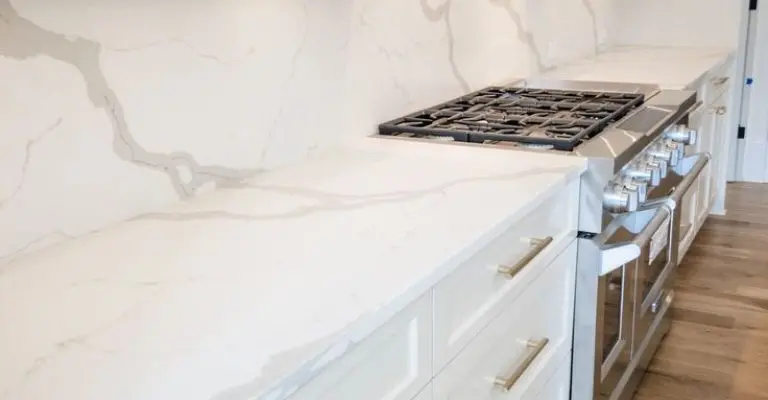
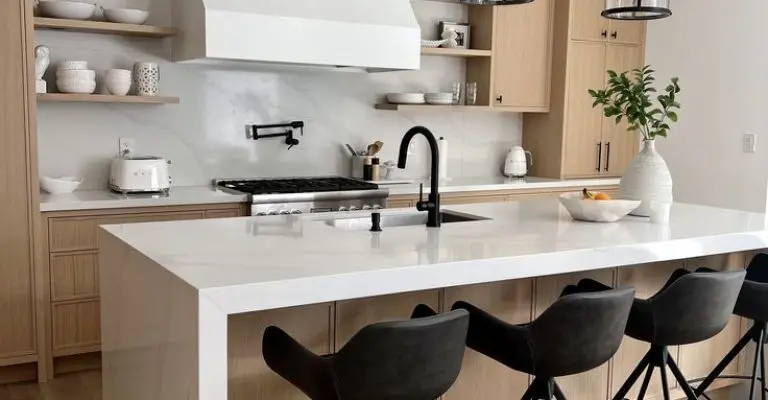
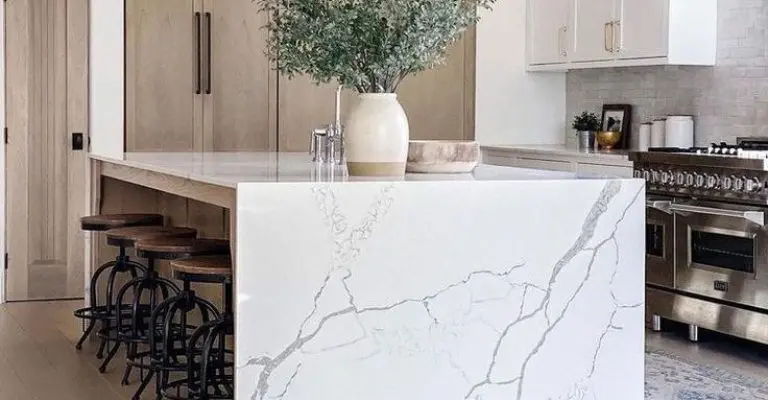

At GRIFON, we are committed to always working with the best quartz brands to offer our customers high-quality countertop solutions. We produce with the latest cutting machine invented on the market (the CNC Breton 15), which guarantees the most precise cuts possible. Our CNC machines for finishes, equally advanced, will ensure a flawless final touch to your countertops, providing an optimal result.
Since quartz is an engineered stone, it is made up of pure quartz, resin, and polymers. Pure quartz is an abundant natural resource, accessible at an affordable price. Choosing an eco-friendly kitchen countertop is a simple way to contribute to a better future. Reducing energy consumption, using natural resources more efficiently, and decreasing our carbon footprint are just a few actions we can take to help our planet.

Quartz is non-absorbent, preventing the growth of bacteria and mold. It is resistant to toxic substances and pathogens, remaining safe and sanitary, ensuring impeccable cleanliness.
The impenetrable, non-porous surface of quartz allows your countertops to resist most stains, making them very easy to maintain (simple cleaning with water and soap).
Due to its recyclable and reusable nature, quartz is the ultimate green material. It promotes the creation of healthy environments and better use of material resources.
The impressive scratch resistance prevents any type of mark. However, as with any stone, it is never recommended to cut directly on your countertops.
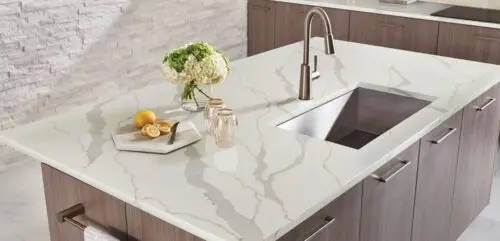
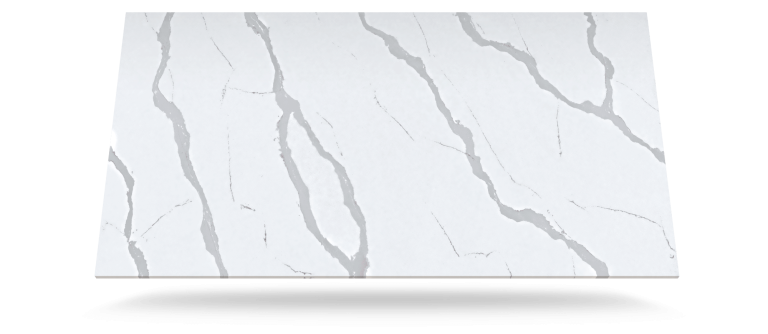
This name originally comes from Calacatta marble, extracted from quarries in Tuscany. It is now used to characterize white stones with gray veins, like many quartz countertops today. It stands out for its bright background and accentuated veins, making it a striking color.
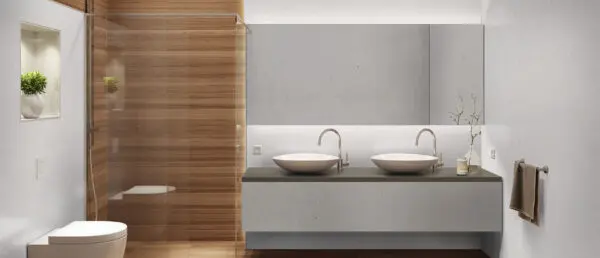
We have many quartz offcuts, allowing us to offer exceptional prices for your small bathroom projects.
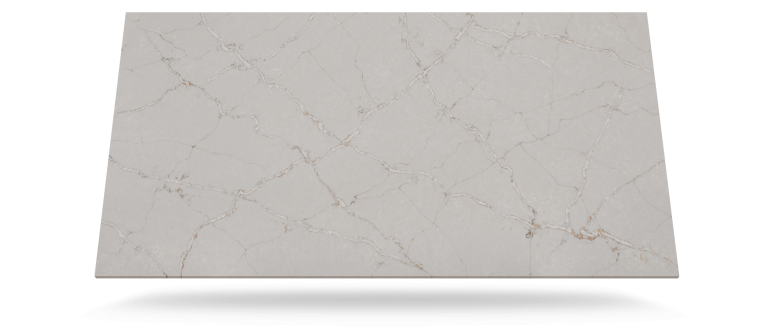
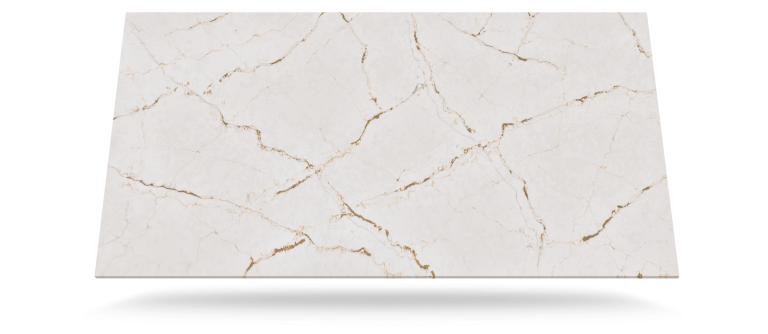
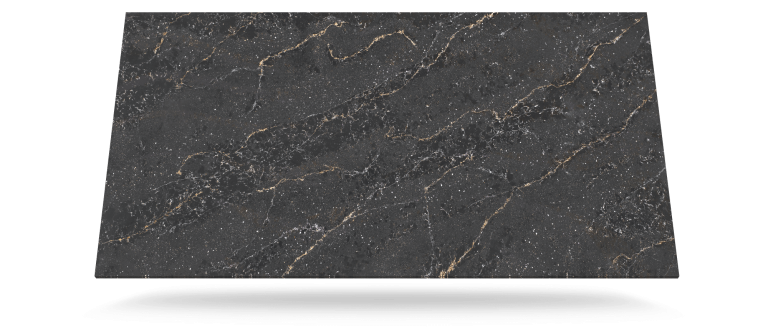
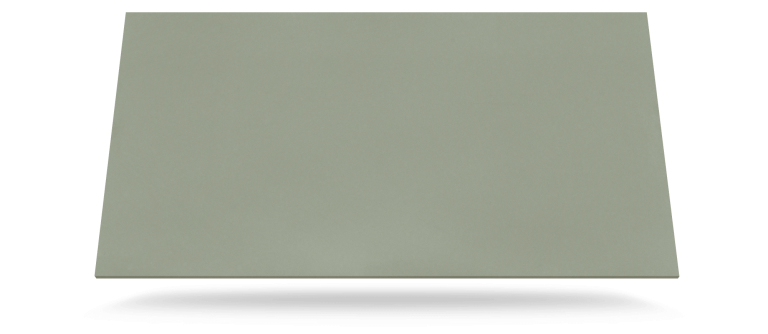
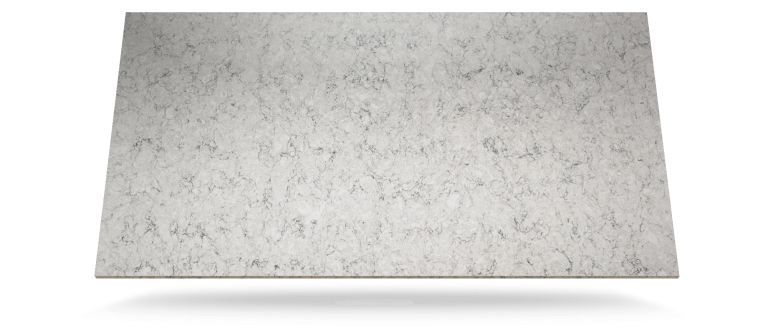
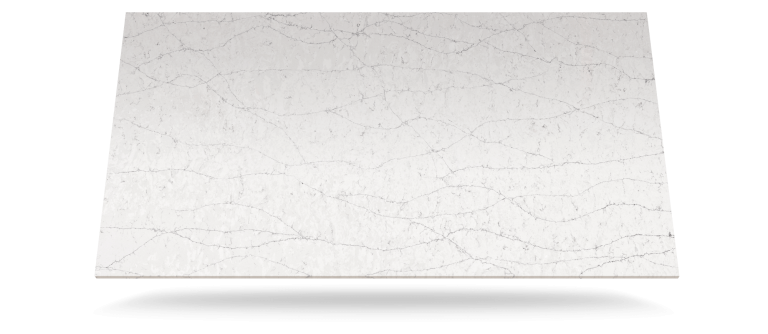
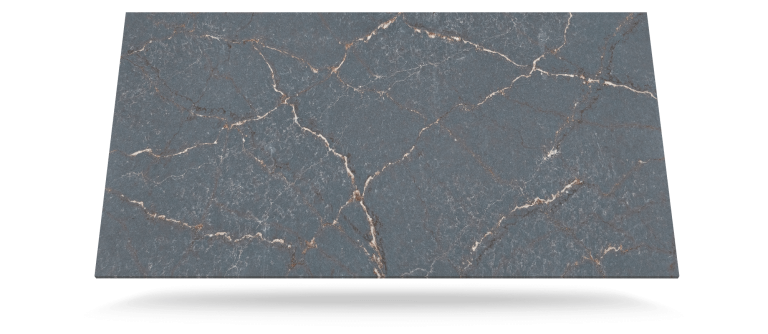
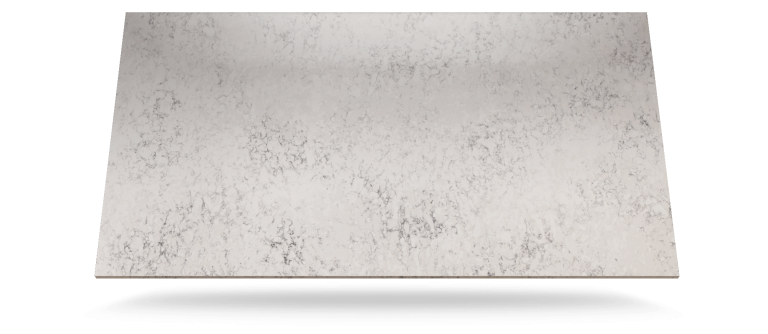
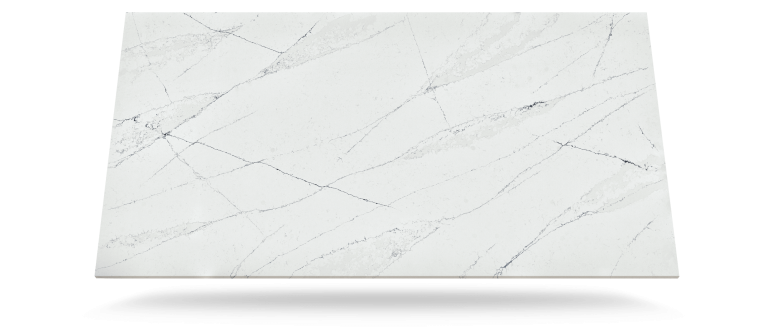
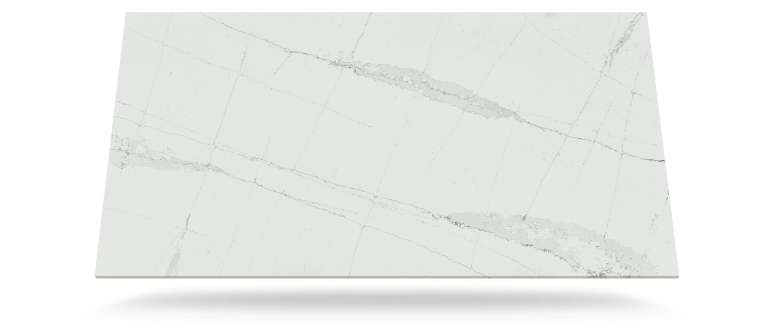
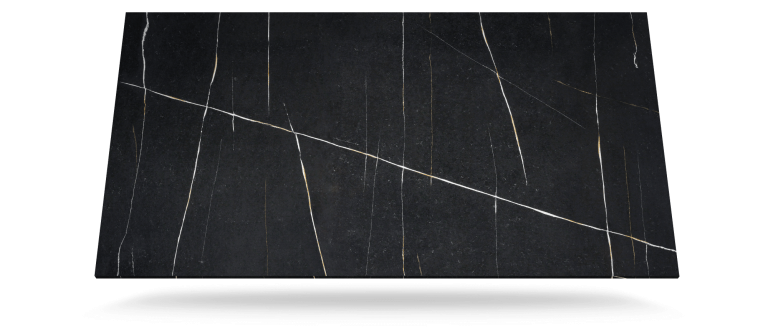
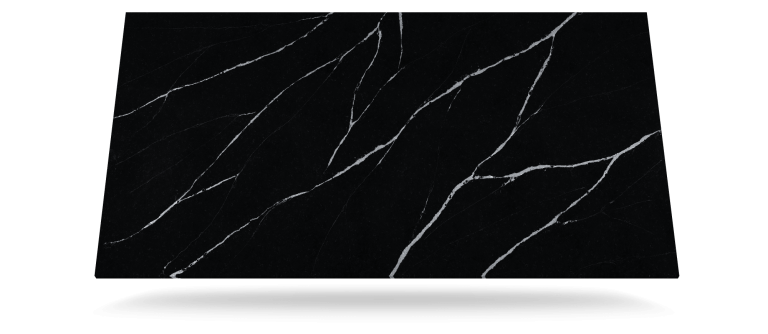
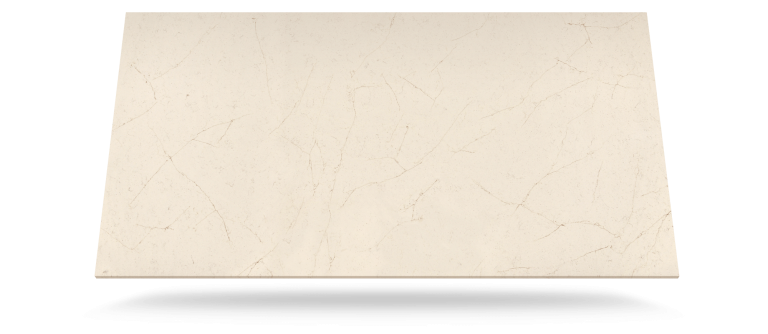
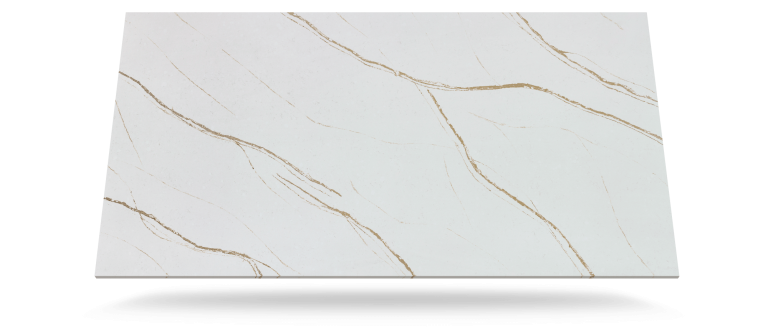
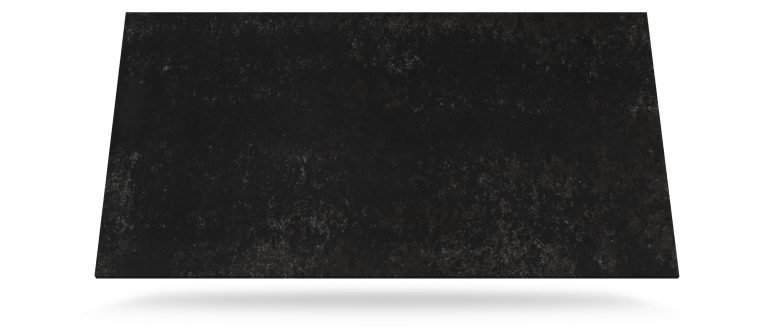
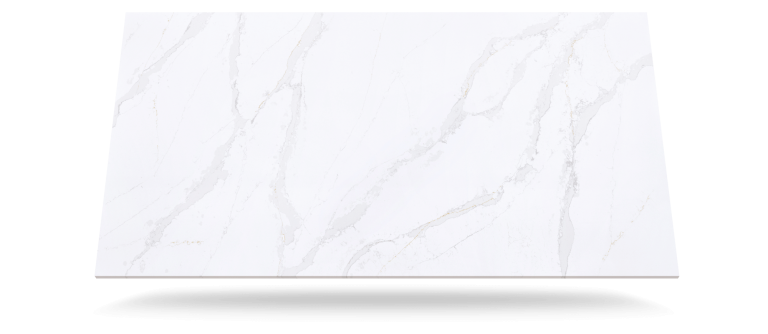
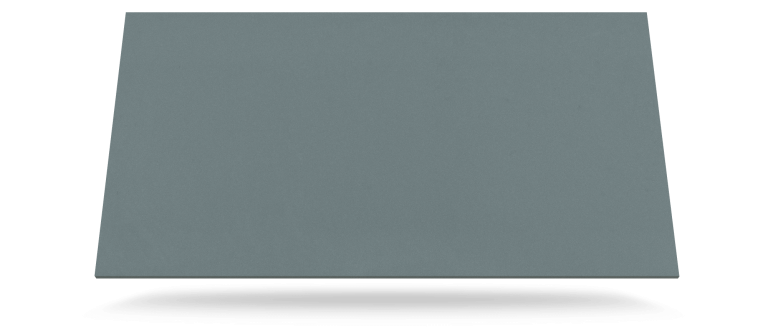









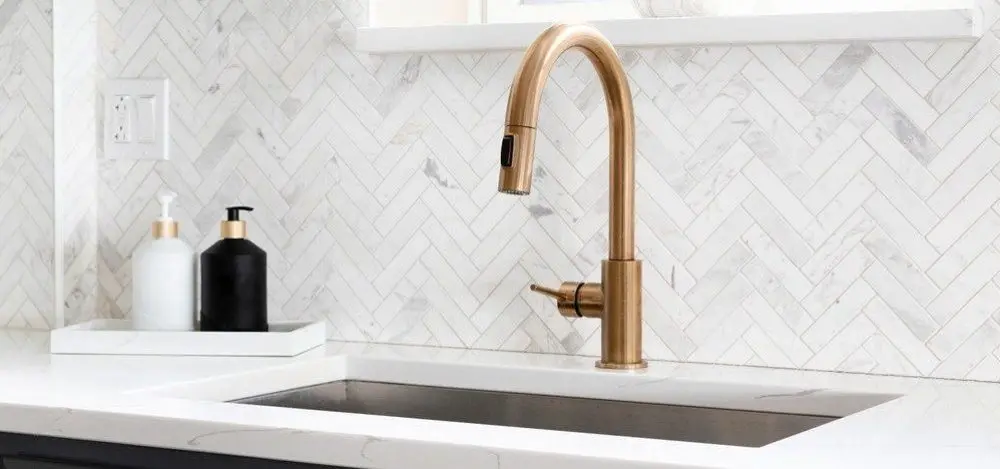
Laser measurement / CNC cutting + finishing guaranteed / In-home installation
GRIFON GUARANTEES THE BEST FOR YOU!
With over 15 years of experience in the stone industry and a skilled team of measurers, manufacturers, and installers who have been with us from the beginning, we are proud to be a local, family-owned business that is committed to the satisfaction of our clients and employees.
The cost of a quartz countertop can vary significantly depending on several factors, but it’s still possible to provide a clear general idea without referring to external sources. Quartz is considered a mid- to high-end material, meaning it represents a solid investment while also offering excellent long-term value.
On average, a quartz countertop costs between $50 and $150 per square foot, typically including both material and installation. Most projects fall within a range of about $70 to $120 per square foot, which represents a balance between quality and price. Of course, these figures may vary depending on the region, project complexity, and design choices.
To better understand, consider a standard kitchen. A typical countertop surface often measures between 30 and 40 square feet. In this case, the total cost of a quartz countertop can range from $2,000 to $5,000, or more for high-end models or larger kitchens. Adding a kitchen island or extra features can easily increase the total price.
Several factors directly influence the cost. First, the quality of the quartz plays an important role. Simpler models with solid colors or minimal patterns are generally more affordable. In contrast, quartz designs that mimic natural stones like marble, with complex veining, tend to be more expensive due to higher demand and more intricate manufacturing.
The thickness of the countertop is another factor. Quartz slabs are typically available in 2 cm or 3 cm thicknesses. Thicker options are more durable but also more expensive. Some homeowners opt for thicker edge profiles for visual impact, which can further increase the price.
Fabrication and installation complexity also affect the cost. For example, if your countertop requires multiple cutouts for a sink, cooktop, or electrical outlets, it will involve more labor. Unique shapes, angles, or large seamless surfaces can also drive up costs. Additionally, special edge finishes, such as rounded or decorative edges, often come with extra fees.
The brand and origin of the quartz can also influence pricing. Some premium brands offer highly aesthetic and durable products at a higher cost, while more affordable options may provide fewer design choices or simpler finishes.
It’s also important to understand what is included in the price. In many cases, the total cost covers measurements, custom fabrication, delivery, and installation. However, additional services such as removing an existing countertop, plumbing work, or cabinet modifications may be billed separately.
Compared to other materials, quartz is more expensive than budget options like laminate but is generally comparable to granite. In some cases, it may be slightly more expensive, especially for premium designs. However, its low maintenance requirements can offset part of the cost over time.
In summary, here are typical price ranges:
Quartz countertops are a significant investment, but they are highly valued for their durability, modern appearance, and ease of maintenance. Before making a decision, it’s recommended to compare options and carefully assess your needs to find the best balance between budget and quality.
Quartz countertops are very popular in modern kitchens due to their elegant appearance, durability, and ease of maintenance. However, despite their many advantages, they also have some drawbacks that are important to consider before making a decision. Understanding these aspects helps you make a more informed choice that suits your needs.
One of the main disadvantages of quartz is its sensitivity to heat. Unlike some natural stones like granite, quartz contains resins that can be damaged by high temperatures. Placing a very hot pot or pan directly on the surface can cause permanent marks or even cracks. It is therefore recommended to use trivets, which may be inconvenient for some people in everyday use.
Another factor to consider is the cost. Quartz is generally more expensive than many other countertop materials, such as laminate or certain types of wood. Although it is comparable to granite in many cases, it still falls within a mid- to high-end price range. For tighter budgets, this can be a significant limitation, especially when covering a large surface area.
Quartz can also be less resistant to deep scratches than some very hard natural stones. While it is considered a durable material, it is not completely immune to sharp objects. The use of cutting boards is strongly recommended. Without this precaution, the surface may become damaged over time, affecting its appearance.
Another drawback is its reaction to sunlight. Quartz can discolor if exposed to prolonged direct sunlight. This is particularly important for very bright kitchens or outdoor installations. Unlike granite, which better retains its color under UV exposure, quartz may lose its shine or slightly change color over time.
Additionally, although quartz is appreciated for its uniform appearance, this can also be seen as a disadvantage. Some people prefer the unique and natural look of stones like granite or marble. Since quartz is engineered, it tends to have more consistent patterns and a more uniform look. For those seeking a more natural or authentic aesthetic, this may be less appealing.
It should also be noted that seams can be visible on quartz countertops, especially on larger surfaces. Because slabs come in limited sizes, joining sections is sometimes necessary. Although professionals aim to make seams as discreet as possible, they can still be noticeable, which may bother those who are detail-oriented.
Another aspect to consider is the environmental impact. Quartz is a manufactured material, and its production involves resins, pigments, and industrial energy. For those concerned about environmental issues, this can be a drawback compared to more natural or locally sourced materials. Although some brands are working to reduce their environmental footprint, it remains an important factor.
Finally, quartz can be difficult to repair in the event of significant damage. If a crack or chip occurs, it is often challenging to restore the surface seamlessly. In some cases, replacing an entire section of the countertop may be necessary, which can lead to additional costs.
In summary, while quartz is an excellent choice for many kitchens, it does have several disadvantages: sensitivity to heat, higher cost, risk of discoloration from sunlight, difficulty of repair, and a sometimes overly uniform appearance. These factors do not mean quartz is a poor material, but rather that it’s important to carefully evaluate your needs and habits before making a decision. A countertop should be both aesthetic and functional, and finding the right balance between the two is essential.
When renovating a kitchen or bathroom, choosing the right countertop material quickly becomes an important decision. Among the most popular options, quartz and granite are often compared. Both materials are known for their durability and high-end appearance, but one common question remains: is quartz more expensive than granite? To answer this, several factors need to be considered, as pricing depends on many variables.
First, it’s important to understand the difference between these two materials. Granite is a natural stone extracted directly from the earth. Each slab is unique, with variations in color, pattern, and texture, meaning no two granite countertops are ever identical. Quartz, on the other hand, is an engineered material made from crushed natural quartz combined with resins and pigments. This process creates a more uniform appearance with controlled colors and patterns.
In general, quartz is often considered slightly more expensive than granite. However, this statement should be nuanced. Granite comes in a wide range of prices. Some types are quite affordable, especially those that are more common and readily available. On the other hand, rarer or imported granite with unique patterns can be significantly more expensive—sometimes even more costly than quartz.
Quartz, for its part, tends to have more stable pricing. As a manufactured product, its cost depends largely on brand, quality, and design. High-end quartz that closely mimics natural stone or features intricate finishes can be quite expensive, though more budget-friendly options also exist. Overall, quartz typically falls within a mid- to high-range price category.
Installation is another factor to consider. Both materials are heavy and require professional installation, so costs are generally similar. Quartz may be slightly easier to handle due to its uniformity and lower risk of natural defects, but this difference usually has minimal impact on total cost.
Maintenance can also influence perceived cost. Granite is porous and requires periodic sealing to prevent stains and moisture absorption, which can add long-term maintenance costs. Quartz, however, is non-porous and does not require sealing, making it easier and less costly to maintain over time.
Aesthetics also play a key role. Granite is valued for its natural and unique appearance, while quartz offers a more consistent and modern look. Some people are willing to pay more for quartz’s uniformity, while others prefer the organic character of granite.
Durability is another consideration. Granite is highly heat-resistant, allowing hot items to be placed directly on its surface. Quartz, due to its resin content, is more sensitive to high heat but generally more resistant to stains and everyday scratches. Depending on usage, these differences can influence both preference and perceived value.
Local market conditions can also affect pricing. Granite costs may vary depending on regional availability, while quartz pricing tends to be more consistent, though still influenced by brands and suppliers.
In conclusion, quartz is often slightly more expensive than granite, but this is not always the case. It depends on the type of granite, the quality of the quartz, and personal preferences. Rather than focusing solely on price, it’s important to consider aesthetics, maintenance, and intended use to choose the material that best fits your needs and budget.
The price of a 20-square-foot quartz countertop mainly depends on the cost per square foot, which varies based on material quality, project complexity, and selected options. Without relying on external sources, a realistic estimate can be made based on commonly observed market prices.
On average, quartz costs between $50 and $150 per square foot, often including fabrication and installation. This means that for a 20-square-foot surface, the total price can vary significantly depending on the chosen range.
For an entry-level option, priced around $50 to $70 per square foot, the total cost for 20 square feet is approximately $1,000 to $1,400. This type of quartz typically features simple colors, minimal patterns, and standard finishes. It’s a good choice for tighter budgets or smaller projects, such as a bathroom.
For mid-range quartz, which is the most common option, prices generally range from $70 to $120 per square foot. In this case, a 20-square-foot countertop would cost حوالي $1,400 to $2,400. This category offers a good balance between aesthetics and durability, with more choices in colors and patterns, including designs that mimic natural stone.
At the high end, quartz can reach $120 to $150 per square foot or more. For 20 square feet, this represents a total cost of about $2,400 to $3,000. These models often feature more sophisticated designs, premium finishes, and higher overall quality.
However, these estimates can vary depending on several factors. For example, countertop thickness affects the price—3 cm slabs are generally more expensive than 2 cm ones. Cutouts for sinks, cooktops, or electrical outlets can also increase costs due to additional labor.
Installation complexity also plays a role. A simple, straight countertop will cost less than one with angles, an island, or custom finishes. Decorative edges, rounded corners, or backsplashes can also add to the total price.
It’s also important to understand what’s included. In many cases, the price covers measurements, custom fabrication, delivery, and installation. However, removing an existing countertop or making plumbing adjustments may be billed separately.
Another consideration is that even for smaller projects like 20 square feet, some suppliers may have a minimum charge to cover fabrication and travel costs. This can slightly increase the effective price per square foot.
In summary, for a 20-square-foot quartz countertop:
In most cases, homeowners spend between $1,500 and $2,000, which offers a good balance between quality and budget.
In conclusion, while a 20-square-foot quartz countertop is more affordable than a full kitchen installation, it still represents a significant investment. It’s recommended to compare options carefully and choose a product that fits your needs, style, and budget.
The question of whether quartz is cheaper than granite often comes up when comparing these two materials for a countertop. The short answer is: not necessarily. In reality, quartz is generally not cheaper than granite, but it depends on several factors such as quality, origin, and the chosen style.
First, it’s important to understand that quartz and granite are two different materials. Granite is a natural stone extracted from quarries, while quartz is an engineered material made from crushed stone mixed with resins. This difference affects their pricing. Granite can vary widely in cost, as some stones are very common while others are rare and more difficult to extract. Quartz, on the other hand, tends to have more stable pricing because it is manufactured industrially.
In general, quartz falls into a mid- to high-price range. It is often comparable to granite but is not usually cheaper. In many cases, it can even be slightly more expensive, especially for higher-quality models with sophisticated patterns. Granite, meanwhile, offers a wider price range. There are more affordable options, but also very expensive high-end stones.
For example, a simple granite with a uniform color and easy availability may cost less than quartz, making it a good option for tighter budgets. On the other hand, rare granite with unique patterns or imported from afar can be significantly more expensive than quartz. So depending on the specific choice, granite can be either cheaper or more expensive.
Another factor to consider is maintenance. Granite is porous and requires regular sealing to prevent stains, which can add long-term cost and effort. Quartz, by contrast, is non-porous and does not require sealing. Even if its initial price is sometimes higher, it may be more economical over time due to its low maintenance.
Durability and usage also influence perceived value. Granite is highly heat-resistant, which is a major advantage in the kitchen. Quartz, due to its resin content, can be more sensitive to heat. However, it is often more resistant to stains and bacteria. These differences can influence the choice depending on priorities.
Aesthetics also play a role. Quartz offers a more uniform and modern appearance with consistent colors, while granite has a natural and unique look. Some people are willing to pay more for one or the other based on personal preference, which can influence perceived cost.
In summary, quartz is generally not cheaper than granite. It usually falls within a similar or slightly higher price range. However, granite offers more variation: it can be cheaper in its basic forms but more expensive in premium versions.
The best way to choose between the two is not just to compare prices, but also to consider maintenance, appearance, and intended use. Quartz can be a great investment for those looking for low maintenance and a uniform look, while granite may suit those who value natural character and heat resistance.
In conclusion, quartz is not really cheaper than granite. It depends on the specific type of granite and quartz selected, but in most cases, their prices are comparable, with quartz tending to be equal to or slightly higher.
When choosing a countertop for a kitchen or bathroom, granite and quartz are two very popular options. Although they may look similar at first glance, they have several important differences in terms of composition, appearance, maintenance, durability, and price. Understanding these distinctions helps in making a choice that better suits your needs.
The first major difference lies in their composition. Granite is a natural stone extracted directly from quarries. Each slab is formed by nature, giving it a unique appearance. Quartz, on the other hand, is an engineered material made from natural quartz particles mixed with resins and pigments. This means quartz is partially natural but manufactured to create a more uniform final product.
This difference in production is reflected in their appearance. Granite offers a natural look with irregular and unique patterns. No two slabs are identical, which appeals to those looking for an authentic style. Quartz, on the other hand, has a more consistent appearance. Because it is manufactured, colors and patterns can be controlled, allowing for modern, uniform designs or even imitations of natural stones like marble.
Maintenance is another key distinction. Granite is porous, meaning it can absorb liquids and stain if not properly sealed. It requires periodic sealing to maintain its resistance. Quartz, however, is non-porous. It does not require sealing and is very easy to clean, making it a more convenient option for everyday maintenance.
In terms of durability, both materials are very strong, but they have different characteristics. Granite is highly heat-resistant, allowing hot pots and pans to be placed directly on its surface with minimal risk. Quartz, due to its resin content, is more sensitive to heat and requires the use of trivets. However, quartz is generally more resistant to stains and bacteria.
Scratch resistance is also comparable, although granite can be slightly harder in some cases. That said, neither material is completely damage-proof, and using cutting boards is recommended to protect the surface.
Another difference is how they react to light. Granite maintains its color well, even with sun exposure. Quartz, however, can slightly discolor if exposed to prolonged direct sunlight, which is important to consider in bright spaces or near windows.
Price is also a distinguishing factor, though it can vary. Granite offers a wider price range, from relatively affordable to very expensive depending on rarity. Quartz tends to have more consistent pricing, usually in the mid- to high-range. In many cases, it can be slightly more expensive than granite, depending on the model.
Finally, environmental considerations may come into play. Granite, as a natural stone, involves extraction and transportation. Quartz, being manufactured, involves industrial processes, resins, and energy use. Depending on personal values, one may be seen as more or less eco-friendly than the other.
In summary, the main difference between granite and quartz countertops lies in their nature: granite is natural and unique, while quartz is engineered and uniform. Granite requires more maintenance but offers superior heat resistance, while quartz is easier to maintain but more sensitive to high temperatures. The choice ultimately depends on aesthetic preferences, budget, and desired level of maintenance.
GRIFON provides the best quartz kitchen countertop collections in Montreal Laval North-Shore, combining durability, sophisticated finishes, and modern aesthetics for contemporary kitchens.
The top quartz countertop supplier companies in Montreal Laval North-Shore deliver premium quartz slabs and installation services, with companies like GRIFON known for reliable countertop solutions.
GRIFON features premium quartz countertop brands collections in Montreal Laval North-Shore that include engineered quartz surfaces designed for durability and stylish kitchen interiors.
The modern quartz countertop surface options in Montreal Laval North-Shore include polished quartz, matte finishes, and marble-inspired textures, many of which are available from GRIFON.